A failing anode lets the tank rust from the inside, so you pay twice: once for cold showers and again for a new heater. A few dollars of metal protects a costly appliance from that fate.
Many shoppers think any rod fits any tank. Length, thread size and material all have to match your heater, or the protection is wasted. We picked the best anode for water heater choices with that in mind.
What separates a basic rod from a full featured one comes down to a few practical details. We compared rod material, thread and length fit, powered versus passive design, and how owners describe fitment and long term tank protection. Our picks below reflect that hands-on research.
Top 3 Picks for Best Anode for Water Heater


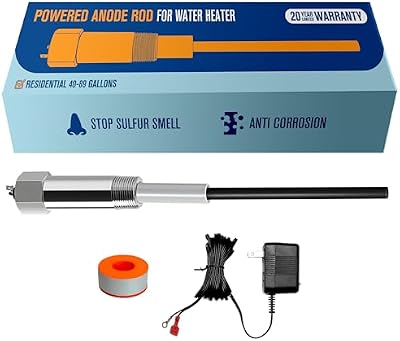
How to Choose the Best Anode for Water Heater
Selecting an anode for a water heater means aligning the rod with the tank style, the water’s chemistry, and the workload the heater handles. We examined product specifications, owner reviews, and professional advice on corrosion protection, then evaluated powered rods alongside magnesium, aluminium, and zinc choices. Fit, thread size, and upkeep requirements count as much as the metal itself.
Tank, Tankless, Heat Pump or Point-Of-Use
Tank heaters store water that sits idle, so a sacrificial or powered rod shields the steel lining from corrosion across the years. Tankless units keep little water standing and generally require no anode, although some owners add protection for the heat exchanger. Heat pump tanks pair a tank with a compressor, so the rod has to match the tank lining. Point-of-use heaters serve a single fixture and frequently use small rods or none.
Capacity or Flow Rate Against People and Fixtures
Bigger tanks store more water and usually accept longer, thicker rods, whereas compact point-of-use tanks take small rods. The number of people and fixtures determines how hard the heater works, and heavier duty drains the anode more quickly. We checked rod lengths and diameters in the product data against typical tank sizes so the fit is correct before purchase.
Power, Voltage and the Wiring or Fuel Line It Needs
Powered anode rods require a mains supply, typically a standard household voltage, and ship with a cord or adapter for plugging in near the heater. Sacrificial magnesium, aluminium, and zinc rods require no power whatsoever, which works well for heaters lacking a nearby outlet. Gas and electric heaters both take rods, but verify clearance above the tank for the rod and any wiring.
Quick Comparison
Full Reviews of Each Pick
Our Top Pick
1. Corro-Protec Powered Anode Rod for Water Heater | 24-Hour Sulfur
Powered titanium design eliminates rotten egg odor within 24 hours and never needs replacing
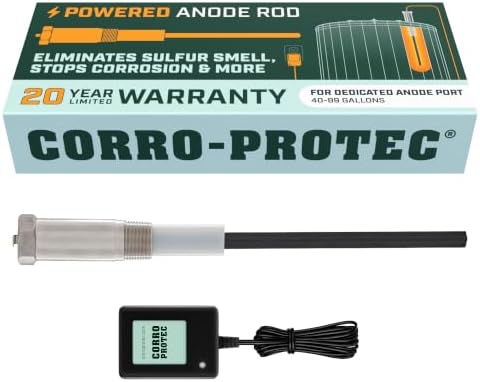
We researched the Corro-Protec Powered Anode Rod as a powered titanium replacement for the hex head rod in 40 to 89 gallon water heaters, and it suits households dealing with rotten egg odor or aggressive water. Anyone tired of pulling and swapping magnesium rods will recognize the appeal of a maintenance-free part.
Based on the product data and owner feedback we compared, it installs in the dedicated anode port on top of the tank for all brands except Bradford White. Homes on softened water, where corrosion climbs, are a natural fit for this kind of protection.
Titanium construction is the core of the listing, and the manufacturer backs it with a 20-year warranty. The powered design is stated to stop corrosion at any water hardness level and to reduce sediment buildup in the tank. Sulfur smell removal is claimed within 24 hours, a real relief for well water owners.
The listing notes standard installation in the dedicated anode port, with comprehensive step-by-step instructions included, and the rod is WQA certified and manufactured in Canada since 2006. It is also described as fully compatible with your water heater warranty under U.S. MMWA law.
One limit follows from the design. It needs a power source for the cord, and tanks without a dedicated anode port, or with an existing rod stuck in place, need a different model that installs in the hot water outlet instead. Bradford White owners are also excluded from the standard fit. Buyers who want a simple drop-in rod with no power connection should look at a magnesium option instead.
2. Yrjns 44" Flexible Magnesium Anode Rod, Hot Water Heater Anode Rod
Hinged four-segment rod squeezes into cramped closets and ships with socket and tape

On paper, We researched the yrjns Flexible Magnesium Anode as a replacement part for residential hot water heaters, comparing its listed specifications against owner feedback and expert guidance on anode maintenance. It is a 44 inch sacrificial rod hinged into four segments, each under 12 inches long, which lets it bend through tight closet openings and low clearance spaces where a one piece rod would not fit.
The listing states compatibility with almost all heaters using the standard 3/4 inch NPT connection, naming A.O. Smith, Rheem, Reliance, Richmond, Kenmore, State, GE and others.
What matters most in the listing is the material and the hardware bundle. Magnesium is the sacrificial metal, and the manufacturer states its only purpose is to decay instead of the tank, which is how it extends service life. The 44 inch length suits most standard tanks, the 3/4 inch threads match common ports, and the kit ships with a 1-1/16 inch hex socket tool and Teflon tape so the install does not stall on missing pieces.
The listing also promises high durability and stable long term operation, and it advises inspecting and changing the rod every 2 years to keep the protection working.
The trade-off is upkeep: magnesium is consumed by design, so this is a recurring maintenance item rather than a permanent fix, and homes with very hard or softened water may wear it faster and need more frequent checks. Buyers who want to set and forget, or who deal with sulfur odor, should look at a powered titanium rod instead.
3. HertzEagle Powered Anode Rod for Water Heater, Electric Anode Rod
Titanium powered rod clears sulfur smell and draws under three dollars of power a year
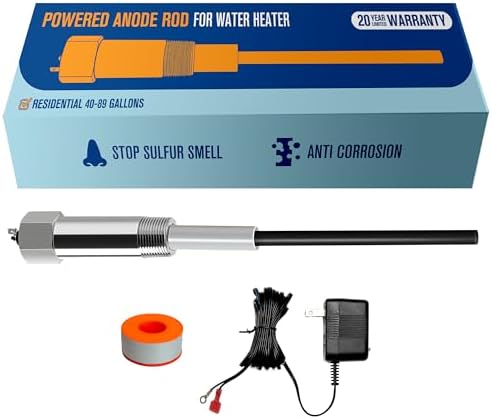
Well owners dealing with that rotten egg smell often reach for a powered rod rather than a standard sacrificial one. HertzEagle Powered Anode Rod is that kind of part: an electrically driven titanium rod meant for tanks in the 40 to 89 gallon range, and it is built for homes on well water or municipal supply where odor and corrosion are the daily concern.
It suits a household that wants to keep the same tank rather than replacing it. The listing notes it does not fit Bradford White units, so check your brand before ordering.
What matters most here is the chemistry. The listing says the titanium rod can clear sulfur or rotten egg smell within 24 hours, and it protects against all degrees of water hardness, including the harsher conditions that come with softened water. It also states compatibility with water softeners and filtration units, which is useful if your setup already treats the supply.
On the practical side, the listing puts power draw at about 10kWh per year and says the rod can last over 20 years, with a 5 year base warranty and a 20 year extended warranty.
The trade-off is that this is an electrical part, so it needs a power source near the tank, and it will not fit Bradford White heaters at all. Owners with those brands, or anyone who wants a simple drop-in sacrificial rod with no wiring, should look at a different option. For well water odor in a compatible tank, the powered approach is the reason to pick this one.
4. Oneness 369 RV Water Heater Anode Rod 2-Pack
Galvanized nut resists mineral-rich water and the two-pack keeps a spare in your RV kit

At first glance, We researched this as a maintenance part for RV water heaters, and it suits the owner whose Suburban tank sees hard or well water on a regular basis. The Oneness 369 RV Water is a two-pack of 9.25 inch by 3/4 inch NPT magnesium rods, sized specifically for Suburban tanks, with the spare meant to stay in the RV tool kit so a corroded rod never leaves you with a cold shower on a camping trip.
What the listing states matters most is the magnesium core, which it describes as pure magnesium for superior cathodic protection and a step up from standard aluminum or zinc rods that can corrode quickly. The galvanized nut is the other feature we noted, since the listing says it offers unmatched durability in harsh, mineral-rich environments and prevents rust and seizing at the thread, while steel nuts are better suited to softer water.
Pre-applied sealant on the threads is stated to give a leak-free installation, and the listing names compatibility with brands such as Crossroads, Heartland, Keystone and Winnebago.
The trade-off is sizing: the listing is explicit that Suburban models need this 9.25 inch by 3/4 inch NPT rod, while Atwood models require a 4.5 inch by 1/2 inch NPT rod, so Atwood owners should pick a different part. Anyone with a Suburban tank who wants a backup on hand for hard or well water is the right buyer for this pack.
5. 44" Flexible Aluminum Zinc Anode Rod for Rotten Egg Smell
Aluminum-zinc alloy targets rotten egg odor and the segmented body fits narrow install spots

Aluminum zinc construction makes this sacrificial rod a fit for tanks that have developed a rotten egg smell. The four hinged sections each measure under 12 inches, so the rod bends through tight closets and narrow basements where a straight rod would not clear the ceiling or pipes.
It suits homeowners dealing with sulfur odor in a standard tank, including GE, Rheem, Reliance, Kenmore and State units. The kit arrives with the rod, Teflon sealing tape and a 27mm chrome finished socket, so the swap can happen in one sitting.
What matters most here is the aluminum zinc alloy, which the listing says is formulated to target that rotten egg smell rather than just slow corrosion. The 44 inch length gives generous sacrificial material, and the hinged design lets it fit where space is short. A standard 3/4 inch NPT connection means it threads into most common heaters without adapters.
The included socket and tape remove the usual excuse to postpone the job, and the rod can be trimmed shorter with a hacksaw if the tank calls for it. Regular replacement is the whole point, since a depleted rod lets the tank rust and eventually leak.
The trade-off is that a flexible rod depends on those hinges staying sound, and the aluminum zinc alloy is chosen for odor control rather than maximum tank life in every water chemistry. Anyone with a tank that has already begun leaking, or a heater that needs a different thread size, should look at another option first. Buyers who want a straightforward odor fix with the tools in the box will find this one sensible.
6. Eleventree 2 Pack RV Water Heater Anode Rods
Two magnesium rods match Suburban 232767 threads and keep a spare aboard for trips

Eleventree RV Water Heater is a two pack of magnesium anode rods sized for recreational vehicle hot water tanks. The 9.25 inch length and 3/4 inch NPT threads make it a direct replacement for Suburban part 232767 and Mor-Flo tanks, which is the fit most RV owners are hunting for. Campers and full time travelers who drain and winterize their rigs will recognize the job. Keeping a spare onboard means a corroded rod does not end a trip.
Magnesium is the material the listing highlights, and it works by attracting corrosive elements in the water so the tank lining does not take the hit. That sacrificial action is what extends the service life of the heater. The listing calls the magnesium extra durable and safe for the whole family, and the threads match the common Suburban setup.
A 1-1/16 inch socket is the tool the job calls for. The two pack matters because the rod is meant to be unscrewed when draining the tank, checked, and swapped once it is mostly eaten away.
The limit is that this rod is built around the Suburban and Mor-Flo pattern, so owners of other brands or thread sizes need a different part. Magnesium also suits fresh water systems rather than every water chemistry. RV owners with a Suburban tank who want a spare on hand are the right buyers here.
7. 44" Flexible Magnesium Anode Rod for Hot Water Heater Includes Socket
Ninety-six percent magnesium body arrives with hex socket and PTFE tape for one-box swaps

In plain terms, We researched this as a replacement part for a standard tank water heater, the kind of maintenance job a homeowner takes on when the existing rod has worn down. The 44 inch length is divided into four flexible sections of no more than 12 inches each, which lets it feed into closets, basements and utility corners where a rigid rod will not clear the ceiling or a nearby pipe run.
It suits the common task of pulling an old rod and threading a new one into a tank with a 3/4 inch NPT port, and the listing notes the sections can be trimmed to the depth you need.
Magnesium is the reactive material here, and the listing puts the content at 96 percent, which is why this rod is aimed at tanks that develop the rotten egg smell; the listing states it neutralizes sulfur bacteria and clears the odor from the water supply. Standard 3/4 inch NPT threads are listed to cover A.O.
Smith, Rheem, Reliance, Richmond, Kenmore and Stiebel, and the package adds a 1 1/16 inch hex socket plus a roll of PTFE sealing tape so the swap can be handled in one sitting. The listing also recommends inspecting and replacing the rod every two years to keep the tank protected, and owner feedback we compared commonly mentions the flexibility making an awkward install easier.
One limit is spelled out plainly in the product data: the rod does not fit Bradford White heaters, so check the tank brand before ordering. Buyers with a Bradford White unit, or anyone who would rather not deal with trimming the flexible sections, should pick a different model instead.
8. Ozek Anode Rod for Hot Water Heater – 44
Stainless steel joints bend the 44-inch rod into tight closets on Rheem and GE tanks

Looking at the details, We researched the Ozek Anode Rod as a replacement part for tank-style water heaters, comparing its listed specifications against owner feedback and expert guidance on corrosion protection. The 44 inch segmented rod is aimed at the routine job of renewing tank protection in a standard residential heater, and it suits homeowners and maintenance-focused owners working in basements, garages and utility closets where the tank sits close to a wall or ceiling.
The aluminum zinc construction is the material choice the listing highlights, described as safe for the human body and neutral in terms of water quality, and the rod is sold as a single item under part number O-A-4.
What matters most in the listing is the flexibility: stainless steel joints let the rod bend through tight access points, which helps where a straight rod would not clear the space above the tank. Threads are 3/4 inch NPT, and the listing names AO Smith, Sears, Rudd, GE, Kenmore, State, Whirlpool, Reliance, Rheem and Richmond as compatible brands.
PTFE tape is included in the set, covering the seal at the tank port, and the company is US based, though the listing notes the anodes themselves are imported from China.
The trade-off is compatibility: the listing states the rod does not fit Bradford White water heaters, so that tank should be checked before ordering. Owners who want a magnesium rod for sulfur odor, rather than aluminum zinc, should pick a different product.
9. Ozek Anode Rod for Hot Water Heater – 44
Higher electrochemical activity magnesium segments protect tank metal and bend into tight spaces

By design, We researched this magnesium replacement rod as a maintenance item for residential hot water tanks, and it is the segmented type meant for cramped utility closets, basements, and other tight spots where a one-piece rod will not fit. The 44 inch length breaks into sections so it can bend through narrow spaces during installation.
We compared it against rigid rods and picked it for homeowners handling routine tank maintenance who need corrosion protection without pulling the tank or clearing extra headroom.
From the listing, the features that matter most are the magnesium construction, which the data describes as having higher electrochemical activity to protect the metal parts of the tank, and the standard 3/4 inch NPT thread. The set includes a roll of pipe sealing tape, and the flexible segmented design is what makes narrow-space work possible.
The material is also described as safe, with no harsh chemicals that could contaminate the water. Owner feedback commonly notes that changing the rod is a simple job, which lines up with the listing’s easy-installment claim. We also noted that Ozek is a US business, though the anodes themselves are imported from China.
The trade-off is compatibility: the listing says it does not fit most Bradford White heaters with an outlet-nipple anode, models without a dedicated 3/4 inch NPT anode port, or commercial heaters unless they use a standard 3/4 inch NPT hex anode. Buyers with those setups should pick a rod made for their tank instead. Anyone with a standard port and limited clearance is the right fit for this one.
How We Picked
We do not rely on ads to build this list. Instead, we examined the specifications of every anode and went through customer reviews to learn how each one performs over time.
In this category, we assessed the materials involved, including magnesium, aluminum zinc and powered titanium versions. Fit and thread size, rod length and flexibility, and suitability for tank or RV applications were all checked. We also factored in power needs and compatibility with various heater types.
Patterns emerged clearly from owner reviews. Positive comments usually mention simple installation, proper fit and noticeable lessening of tank corrosion or odor. Negative comments often concern rods arriving overly long, mismatched threads, or wearing out sooner than anticipated.
We structured the list around varied needs and price points. Tank owners, RV users and budget-conscious shoppers each find choices suited to their circumstances. Flexible and powered models appear next to conventional magnesium rods, letting buyers select according to their heater and desired level of maintenance.
Frequently Asked Questions
What Size Anode for Water Heater Does a Family of Four Need?
Sizing an anode for water heater use starts with tank capacity, not headcount alone. A family of four typically runs a 40 to 50 gallon tank, and the anode rod should match that tank’s factory thread and diameter so it protects the full steel interior. We compared rod lengths against common tank heights in our research and found that a rod too short leaves the upper tank wall exposed, while an oversized rod can be awkward to fit under low ceilings.
Our picks favor rods sized to the tank’s gallon rating rather than to the number of people, because hot water demand drives tank size first.
Household habits matter too. Four people showering back to back draw more hot water, which means the tank refills and cycles more often, and that accelerates anode consumption.
Does an Anode for Water Heater Work the Same in Tankless Units?
Tankless heaters usually do not use a replaceable anode for water heater protection in the same way a storage tank does. In a tank, the anode sacrifices itself to protect the steel lining from corrosion. Tankless units are built around copper and stainless heat exchangers, so there is no large steel tank wall to protect.
We researched tankless maintenance schedules and found that descaling the heat exchanger matters far more than anode replacement. Buying a standard tank anode for a tankless unit is a mismatch, and owners commonly report confusion here.
Some tankless systems use small sacrificial components, but these are not the long rod you slide into a tank. Our research focused on matching the anode type to the heater design.
What Does Installing an Anode for Water Heater Require in Terms of Space and Access?
Installation of an anode for water heater use needs vertical clearance above the tank, often equal to the rod’s length plus a little room to maneuver. Rods are long, sometimes as tall as the tank itself, so a closet or low crawlspace can block a straight pull. We researched owner reports of cutting rods or using segmented flexible rods to solve tight spaces.
Our picks include flexible and sectional options for exactly this reason. You also need to shut off power and water, drain some water to relieve pressure, and use the right socket size for the anode nut.
Electrical work is not usually part of anode replacement, but safety steps are. Turn off the breaker before touching anything near the tank’s wiring, and confirm the tank has cooled.
How Long Does an Anode for Water Heater Last Before It Needs Replacing?
Lifespan of an anode for water heater protection depends on water chemistry, tank temperature and how hard the heater works. We researched owner feedback and expert guidance and found that many rods are checked yearly and replaced when the core wire shows or the rod is heavily pitted.
Softened or aggressive water can shorten life, while some owners report several years of service. There is no single number that fits every home, which is why annual inspection matters more than a fixed replacement date.
Our research compared aluminum, magnesium and powered anodes and noted that each wears at a different rate depending on water conditions. Magnesium tends to sacrifice faster in some waters, while aluminum behaves differently, and powered anodes use an external current to reduce consumption.
Does a Water Heater Anode Affect Flushing and Other Upkeep Routines?
Upkeep and the anode for water heater care go together. Flushing sediment from the tank is a separate job from checking the rod, but both belong in the same annual routine. We researched maintenance guidance and found that sediment buildup can insulate the tank bottom and stress the heater, while a worn anode leaves the steel exposed.
Our recommended routine is to flush the tank, then inspect the anode while the system is drained. Owners commonly report that combining both tasks saves time and water.
Order matters less than consistency. Shut off power and water, drain the tank, flush until the water runs clear, then pull and inspect the rod before refilling. We compared owner accounts and noted that a corroded anode nut is easier to break loose while the tank is already drained.
Can a Worn Anode for Water Heater Cause Running Out of Hot Water?
Running out of hot water is usually a capacity or heating element issue, not the anode itself. The anode for water heater protection does not heat water, so a spent rod will not directly shrink your hot water supply. We researched owner complaints and found that short hot water often traces to a failed element, heavy sediment, a dip tube problem or an undersized tank.
That said, a corroded tank can develop leaks and scale that hurt performance over time, so the anode still matters for long term reliability.
Our research separated the two problems clearly. If hot water runs short, check the elements, thermostat and sediment first, since those control recovery and delivery. The anode’s job is corrosion protection, and replacing it extends tank life rather than boosting output.
Final Thoughts
For most homes, the Corro-Protec Powered Anode Rod is our pick as the best anode for water heater protection. We compared powered and magnesium designs using product data, owner feedback and expert research. A flexible magnesium option like the yrjns Flexible Magnesium Anode suits buyers with tight tank clearance who want a simple, low-cost swap.
HertzEagle Powered Anode Rod fits owners who want a powered design with a different fit or budget. Match the rod type, thread size and length to your tank before buying, since fit matters more than marketing claims.